- Identify the lubricant base and the toy material separately.
- Water-based lubricant is generally the safer default for silicone toys.
- Do not assume that a brand or product family uses one formula.
- Check the toy manual and the current lubricant label together.
Identify the lubricant base
Start with the base listed by the lubricant maker: water, silicone, hybrid, or oil. Water-based formulas are easy to clean and generally compatible with silicone toys, but they can dry and need reapplication. Silicone-based formulas last longer and are often used in water, but they can be difficult to remove and may not suit every toy material. Hybrid formulas combine bases. Oil-based products have their own compatibility and barrier considerations.
Identify the toy material
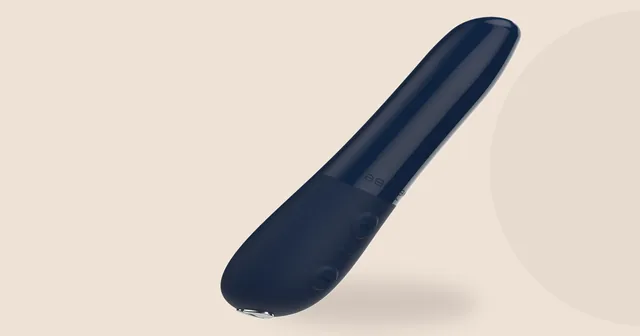
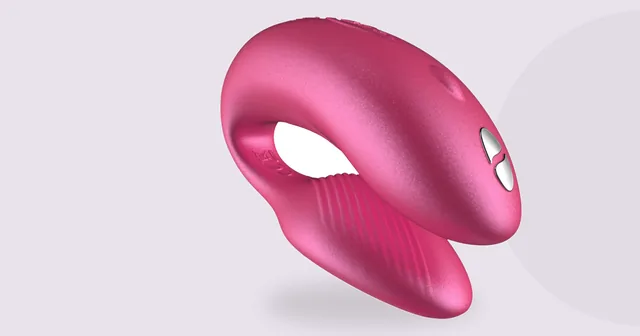
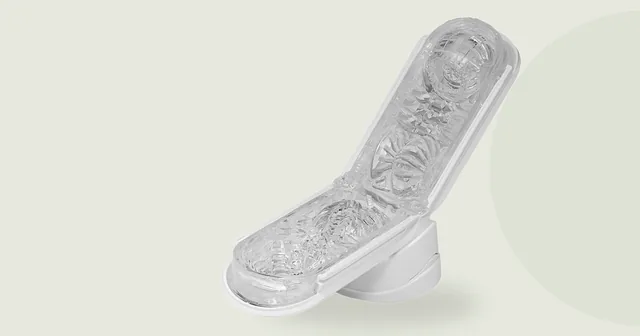
Silicone, TPE, elastomer, glass, metal, and ABS are different materials. Silicone toys are generally compatible with water-based lubricant. TPE and elastomer sleeves may be more sensitive, and some manufacturers advise against silicone-based lubricant. Glass and metal are non-porous and usually easier to clean, but the coatings and accessories may have their own limits. Read the toy manual for the exact model.
A practical compatibility approach
For a silicone toy, water-based lubricant is the safer default. For a TPE or elastomer sleeve, use the lubricant the manufacturer specifies; if the manual is silent, ask before experimenting. For glass or metal, water-based or silicone-based lubricant may be acceptable depending on the surface and any coating. For condoms, use a lubricant labeled compatible with the barrier. When the two labels disagree, stop and ask the manufacturer.
Condoms and barriers
Oil-based lubricants can weaken latex condoms. Water-based and silicone-based lubricants are commonly compatible with latex and polyisoprene, but check the condom packaging and the lubricant label. If you use polyurethane or other barrier materials, confirm compatibility separately. Do not rely on a general rule for a product you have not checked.
Ingredients and sensitivity
Fragrance, flavor, warming agents, preservatives, and other additives are separate from the base. If you have known sensitivities, review the full ingredient list rather than the front label. A product described as natural is not automatically non-irritating. Patch-testing and stopping if irritation occurs is sensible, but persistent or severe symptoms need qualified clinical advice, not a shopping decision.
Cleaning after use
Water-based lubricant usually rinses away with warm water and a mild soap. Silicone-based lubricant can be more persistent and may need a dedicated toy cleaner or repeated washing. Follow the toy maker's cleaning instructions. Dry the toy fully before storage, especially if it has seams or openings. Do not use a cleaner that the manufacturer has not approved for the material.
A label-reading checklist
Read the lubricant's base and full ingredient list. Read the toy's material and care instructions. Check whether the toy maker recommends or prohibits a lubricant type. Check the condom or barrier packaging if relevant. Confirm the bottle size and the formula, not just the brand. If the labels are ambiguous, contact the manufacturer. Keep the lot or batch information if you have a reaction or a quality concern.
Questions to ask before buying
Is water-based lubricant safe with silicone toys?
It is generally the safer default, but check the toy manufacturer's instructions and the lubricant label. Compatibility depends on the full formulation, not just the word water-based.
Can I use silicone lubricant with a TPE toy?
Do not assume compatibility. TPE and elastomer toys vary, and some manufacturers advise against silicone-based lubricant. Follow the toy maker's instructions.
Does water-based lube contain glycerin?
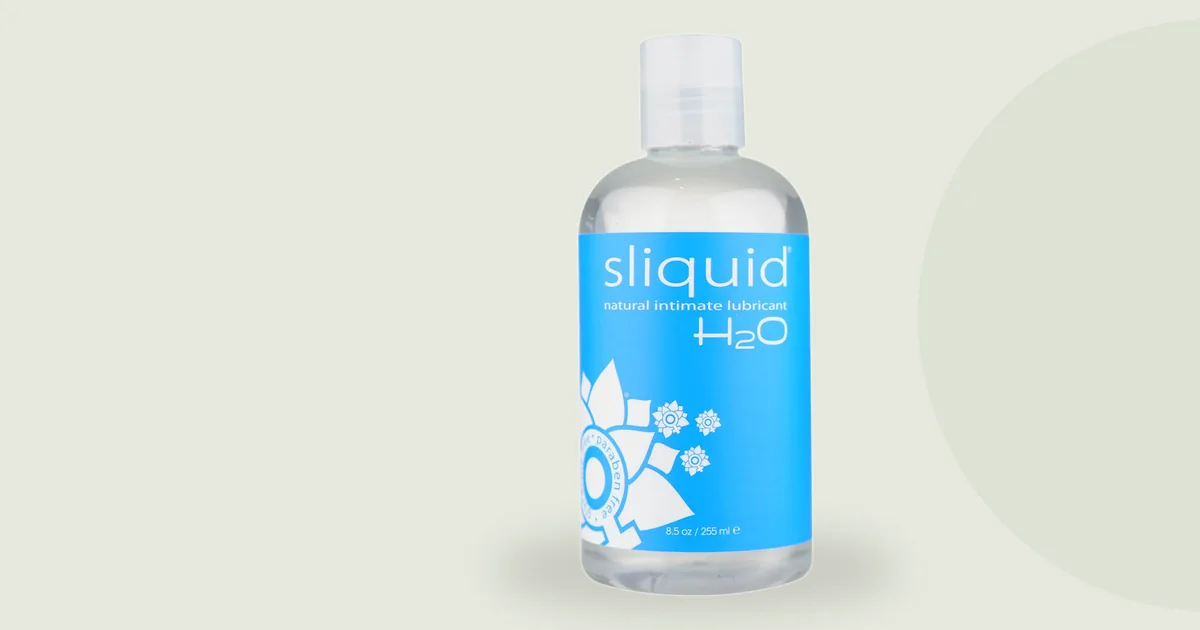
Some do and some do not. Sliquid H2O states that it is glycerin-free. Read the ingredient list for the exact product.
Why does water-based lube dry out?
The water evaporates. Reapply, or add a small amount of water to reactivate the formula. Do not add a different base without checking compatibility.
Is a compatibility label a medical guarantee?
No. A materials compatibility statement is not a guarantee about individual skin sensitivity or health outcomes. If you have a medical concern, speak with a qualified clinician.
Useful pages and sources
This is a buying guide, not a hands-on review. Specs and store terms change; check the exact model before you order.
Suggest a correction